
Views: 0 Author: Site Editor Publish Time: 2026-09-04 Origin: Site
When you start a new CNC project, you must make a big choice: pick a 3-axis CNC or a 5-axis CNC machine. This choice affects cost, delivery time, and how complex your parts can be. A 3-axis CNC moves tools along X, Y, and Z straight lines. A 5-axis CNC adds two turning axes to tilt the tool or the part. 3-axis machines hold the biggest share of the market (about 40%), while 5-axis machines are growing fast. Similar 5-axis desktop CNC machines cost 30–60% more than 3-axis ones. This 5-axis machining guide helps you check your production skills and pick the right CNC method.
3-axis machines move tools in straight lines; 5-axis machines add rotation for complex shapes.
5-axis machining needs fewer setups and makes fewer mistakes, so it can lower total project costs by 20-40%.
Choose 3-axis for simple parts and low budgets; pick 5-axis for complex parts and tight tolerances.
5-axis machines make surfaces smoother and parts more precise by keeping the tool at the best angle.
Look at the part's shape, how many you need to make, and your budget to pick the right CNC method.
A 3-axis cnc machine moves its cutting tool along three straight lines: X (left-right), Y (front-back), and Z (up-down). This simple motion defines its machining capabilities. You can drill holes, cut pockets, and shape flat faces with excellent repeatability. The tool always approaches the workpiece from the same vertical direction. That constraint shapes everything you can produce.
The disadvantages of 3-axis cnc appear when you need complex geometry. You cannot machine undercuts because the tool cannot tilt to reach behind features. You also struggle with deep curved contours on the sides of a part. The tool tip must do all the cutting, which limits how you access internal cavities. For intricate parts, you often need multiple setups. You remove the workpiece, rotate it manually, and clamp it again. Each setup introduces positioning errors. You also need custom fixtures to hold the part at different angles. These extra steps add time and cost to your project.
The advantages of 3-axis cnc shine with simpler geometries. You get reliable results on flat surfaces, straight holes, and basic 2D or 2.5D shapes. This cnc approach works best when your part does not require angled tool access. Many industries rely on this method every day for prismatic components. You will find 3-axis cnc machining in:
Automotive: simple flat components like covers, brackets, flanges, and sealing faces.
Consumer Electronics: enclosures such as aluminum housings and cases.
Industrial Equipment: flat or prismatic parts like wearplates, rings, and bases; supports industries including power generation, mining, and chemical manufacturing.
Medical: simpler geometries like surgical instrument handles, medical device housings, hospital equipment enclosures, and surgical trays.
A 3-axis machine also suits prototyping and low-volume production. You can set up quickly and run parts without complex programming. The milling process stays straightforward. You do not need advanced CAM software or highly trained operators. For many shops, this milling approach delivers the best return on investment. You save money on equipment, tooling, and labor. When your part design fits within three-axis limits, you gain speed and efficiency. You avoid the higher costs of multi-axis equipment. Understanding these strengths helps you match the right tool to each job.

A 5-axis cnc machine adds two turning axes to the three straight ones. These extra axes, often called A, B, or C, let the tool or the part tilt and spin. This movement gives you more machining power. You can now reach features from nearly any angle without moving the part. That single setup is a big plus. It removes the mistakes that happen when you take off and put back a part. For aerospace parts, these tight tolerance needs are very important. Small changes in position can hurt the strength and airflow of the part. With 5-axis cnc, you get the right accuracy, repeatability, and speed without the errors of many setups.
The benefits of 5-axis cnc also show up in surface quality. The machine keeps the cutting tool at a right angle to the surface as it moves along curved shapes. This lowers tool bending and shaking. You get a smoother finish, especially on tricky shapes. A normal 5-axis machine works with materials like aluminum, copper, brass, and plastics, and is capable of machining complex geometries with tight tolerances in a single setup. This 5-axis machining guide shows you what these machines can do.
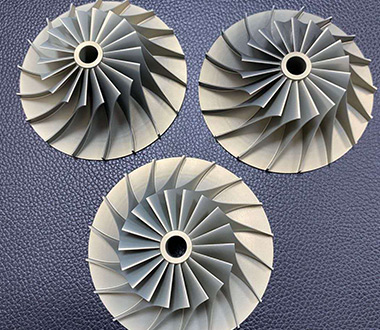
Some parts simply cannot be made with a 3-axis setup. This includes undercuts, which are features hidden under a hanging edge. It also includes curved, twisted shapes like impellers and blisks. For these parts, 5-axis cnc milling lets the tool move through narrow gaps while always changing its angle. By using simultaneous 5-axis milling, you can make impellers with very thin blades and complex turns. This freedom in shape lets engineers design for performance, not for machine limits.
Pick 5-axis cnc machining when your part has complex shapes that a 3-axis machine cannot reach. If your design needs tight tolerances on important joining surfaces, 5-axis cnc gives you the steady results you need. Aerospace parts like engine mounts and frame pieces need this level of exactness. The one-setup process cuts down on position and tolerance mistakes.
You should also pick 5-axis cnc machining when surface finish matters a lot. For clean, even surfaces, the tool angle must keep changing. This needs simultaneous 5-axis milling. Every fixed position in a 3+2 method risks visible lines. That is not okay in aerospace work. The flexibility of 5-axis cnc makes it the best pick for small runs of highly complex parts. You save time, cut down on errors, and get better results. This 5-axis machining guide helps you match your part needs to the right process.

The way each machine works shows the biggest difference between them. A 3-axis cnc machine can handle simple parts in one go. But complex parts are a different story. You have to take the part off, turn it, and clamp it again for each new side. If a part has features on four sides, you need four separate setups. Every setup adds small positioning errors. You also need custom fixtures for each angle. This takes time and raises costs.
A 5-axis cnc machine removes most of that work. Its two rotating axes let the tool reach many sides without moving the part. You can finish the same four-sided part in just one setup. The table below shows what this means for a typical complex part.
Metric | 3-Axis (Complex Part) | 5-Axis (Complex Part) |
|---|---|---|
Number of setups | 4 | 1 |
Total machining hours | 18–22 | 10–14 |
Setup time per setup | 30–60 min | 10–20 min |
Operator involvement | High | Lower |
Scrap risk | Higher | Lower |
Hourly machine rate | Baseline | 20–30% higher |
Total project cost impact | Baseline | 20–40% lower |
The numbers make things clear. A 5-axis cnc has a higher hourly rate. Yet the total project cost is 20–40% lower. You save on labor, fixtures, and wasted material. The single setup also cuts lead time. One study on an aerospace wing rib showed cycle time dropping from 48 minutes to 33 minutes. That is a 30% reduction. These gains come from fewer setups and less handling.
Factorem machines complex undercuts, compound angles, and multi-face features in a single setup, eliminating datum shift, reducing lead time, and holding tighter true-position tolerances across all faces.
This single-setup ability matters most for complex shapes. When you machine a part with features on five or six sides, the disadvantages of 3-axis cnc become clear. You cannot keep the same dimensional accuracy across multiple clampings. Each remounting shifts the datum slightly. A 5-axis cnc machining approach keeps one reference point for the whole job.
Tool angle affects finish quality in direct ways. A 3-axis cnc machine keeps the tool vertical at all times. When you cut a curved surface, the tool tip does most of the work. The side of the tool may rub against the material. This rubbing causes vibration and tool bending. You see the result as visible lines or a rough texture on the part.
A 5-axis cnc tilts the tool to stay at a right angle to the cutting surface. This constant angle change reduces vibration and bending. The cutting edge meets the material cleanly at every point along the path. You get better surface quality on curved and contoured shapes. The advantages of 5-axis cnc also apply to cylindrical parts. The machine can spin the workpiece while the tool keeps the best contact. You get perfect roundness that a 3-axis setup cannot match.
The accuracy gains go beyond finish. When you machine all features in one setup, you avoid errors that build up. Each setup change in a 3-axis cnc process adds a small positioning mistake. These errors stack up across many operations. The final part may drift outside your tolerance range. A 5-axis cnc machining process holds tighter tolerances because you never break the reference chain. This repeatability is vital for aerospace and medical parts where every micron counts.
The milling strategy also affects tool life. Less bending means less wear on the cutting edge. You change tools less often and keep steady performance across a production run. This efficiency leads to lower per-part costs. For parts with strict finish needs, the choice is clear. A 5-axis machining guide will always suggest the multi-axis approach for curved surfaces and tight tolerance specs.
Your budget is a big factor when you choose between these machines. A 3-axis cnc machine costs much less to buy at first. You can get basic models for a small part of what a 5-axis machine costs. Running costs are also lower. Your team needs less training. The tooling is common and simple to find. Maintenance is easier. These points make a 3-axis cnc a good fit for small shops and new businesses. You can begin work quickly without spending a lot of money. The simple jobs you do on a 3-axis cnc include drilling, tapping, and basic shaping.
A 5-axis cnc machine is a large money commitment. The machine price can be much higher. You also need advanced CAM software, which raises your costs. Training operators takes more time and money. But the running cost picture shifts when you look at the whole job. The lower machine cost of a 3-axis cnc can be canceled out by higher fixture costs and longer setup times for hard parts. A 5-axis cnc cuts your fixture needs a lot. You spend less on custom jigs and clamps. You also use fewer labor hours per part. For hard machining jobs, this method gives clear benefits. The total job cost can be lower even with the higher machine price.
The programming needs are very different between these two methods. For a 3-axis cnc, you can use simple CAM software or even program by hand for easy parts. The learning curve is easy. You can train operators fast. The fixture design is simple. You hold the part and cut from one side. For parts with features on many sides, you need multiple fixtures, but each one is easy to design and build. The whole machining process stays simple and steady.
A 5-axis cnc needs advanced CAM software and skilled programmers. The toolpaths are hard to plan. You must think about tool angle, avoiding crashes, and moving multiple axes at once. The downsides of 5-axis cnc include this tough learning curve. Your team needs special training. The simultaneous milling feature lets you cut hard shapes in one pass. Programming time for one part can be longer at first. But you set up once instead of four or five times. You finish the part fully in one operation. This removes the need for many fixtures. The total setup time often goes down. Production speed improves. For hard parts with tight tolerances, this speed gain beats the higher programming cost. You must weigh these points based on your team's skills and the parts you usually make.
Start by looking at the parts you usually make. Simple block-like shapes with flat faces and straight holes rarely need a 5-axis cnc. You can make these parts well on a 3-axis cnc with one or two setups. The extra turning axes would not help at all. You would spend more money on features you never use.
Next, check for features that need the tool to come in at an angle. Undercuts, deep holes, and curved surfaces mean you need multi-axis movement. A 3-axis cnc has a hard time with these shapes. You would need special holders or move the part many times. Each move adds a chance for mistakes. A 5-axis cnc can reach these features from almost any angle. You cut undercuts in fewer steps and handle deep holes with smooth motion. The tool path gets easier because you avoid constant re-clamping.
Tolerance needs also matter in your choice. If your parts must stay accurate across many sides, a 5-axis cnc has a clear edge. You keep one reference point for the whole job. A 3-axis cnc breaks that link each time you unclamp and turn the part. Small position errors build up. For aerospace or medical parts, this drift can push you out of spec. The steadiness of a one-setup process protects your quality.
Ask yourself if your main delays come from repeated setups, tool access issues, or rework from alignment problems. If these issues fill your workflow, a 5-axis cnc fixes them directly. If your parts are easy to reach and simple in shape, the machine will not change your real limits. This 5-axis machining guide helps you match capability to actual need rather than chasing new tech for its own sake.
Your production volume shapes the money picture. For large runs of simple parts, a 3-axis cnc often works better. You keep cycle times short and skip complex programming. The lower machine cost and simpler tooling keep your per-part price down. You do not need advanced CAM software or highly trained workers.
For small batches of complex parts, the math changes. As shown in the earlier table, a complex part on a 3-axis machine requires 4 setups and 18–22 machining hours, while a 5-axis machine does it in 1 setup and 10–14 hours. Setup time per setup is 30–60 minutes for 3-axis and 10–20 minutes for 5-axis, leading to lower operator involvement and reduced scrap risk. The total project cost is 20–40% lower for the 5-axis, despite a higher hourly rate. The break-even point depends on the specific part geometry and production volume, but the cost savings from reduced setups and scrap often justify the higher tooling and machine costs for complex parts at moderate volumes.
You should also think about the downsides of 5-axis cnc. The machine costs more upfront. Programming needs 5-axis CAM software and post-processor skills. Operator training takes time and money. Your team needs clear roles rather than expecting one person to know everything. These factors raise your starting bar.
Think about a middle option. You can add rotary tables or trunnion attachments to some 3-axis cnc machines. This addition gives partial multi-axis movement. But it will not fully match a dedicated 5-axis cnc. For true simultaneous 5-axis cnc machining, you need the real machine. The upgrade works best for smaller to medium parts with many sides. It also moves the workpiece during rotation, which affects how stable your holder stays.
Your final choice balances part complexity, production volume, and budget limits. A 3-axis cnc stays a solid workhorse for simple jobs. A 5-axis cnc becomes a smart investment when complex shapes and tight tolerances drive your production costs. Match the machine to your real workload, and you will get the best return.
The choice between 3-axis cnc and 5-axis cnc comes down to suitability, not superiority. A 3-axis cnc remains your reliable, cost-effective workhorse for simpler parts. A 5-axis cnc represents a strategic investment when complex geometries and tight tolerances demand minimal setups and superior surface quality.
Evaluate your part designs, production volumes, and budget constraints honestly. Consider the long-term investment: a 5-axis machine requires a higher upfront cost but offers potential for significant operational savings and expanded capabilities. Automation transforms 5-axis cnc machining from specialized art into scalable, repeatable manufacturing. As costs decline, this technology becomes increasingly accessible to small and medium shops, expanding your machining capabilities and repeatability.
Check for undercuts, compound angles, or curved surfaces on several sides. If your part needs tool access from many directions, you need 5-axis cnc. Simple flat parts with straight holes work fine on a 3-axis cnc. Talk to your machinist early for advice.
Yes. You can add rotary tables or trunnion attachments to some machines. This gives you 4-axis or limited 5-axis ability. However, true simultaneous 5-axis cnc machining needs a dedicated machine. Upgrades work best for smaller parts with features on several sides.
The machine itself costs more to buy and maintain. You also need advanced CAM software and skilled programmers. Yet the total project cost often drops. Fewer setups mean less labor, fewer fixtures, and lower scrap rates. You pay more per hour but use fewer hours overall.
Aluminum, copper, brass, and plastics machine well on 5-axis equipment. These materials are commonly used in aerospace, medical, and automotive components, where 5-axis machining enables complex geometries and tight tolerances.


