CNC-Machining

From Rapid Prototyping to Production Manufacturing

Best Prototypes provides integrated manufacturing support from rapid prototyping and design validation to low-volume manufacturing and production. Our capabilities include CNC machining, 5-axis milling, 3D printing, sheet metal fabrication, vacuum casting, injection molding, die casting, precision casting and post-processing.


Whether you need a single functional prototype, a small batch for engineering evaluation, pilot production for market testing or a scalable manufacturing solution, our team works with your CAD files, drawings, materials, tolerances and quantity requirements to identify an appropriate manufacturing path for your project.

+

Manufacturing Facilities

+

CNC Machines

+

Manufacturing Machines

+

Product Development Teams

What Is Prototype-to-Production Manufacturing?

Prototype-to-production manufacturing is an integrated product development approach that supports a project from its first physical prototype through engineering evaluation, low-volume manufacturing and scalable production.

Faster Product Development

Move quickly from concept to physical prototypes with flexible manufacturing processes for early-stage design iteration.

Reliable Engineering Validation

Verify dimensions, materials, fit, function, and repeatability before committing to larger production volumes.

Scalable Manufacturing

Transition from low-volume manufacturing to stable production with consistent quality and a more efficient supplier workflow.

company-

How Best Prototypes Supports Prototype-to-Production Projects

Best Prototypes combines multiple manufacturing technologies so that different processes can be used according to the maturity, quantity, material and technical requirements of your project. The right manufacturing process depends on your part geometry, material, tolerances, quantity, surface requirements and intended application.

touxiang2
Product Development

Product development begins with understanding how your part is designed, how it will function and how it can be manufactured efficiently.


Send us your 3D CAD files, engineering drawings and project requirements. Our team can review key manufacturing factors and help identify a suitable process for the current development stage.

ACIS
Rapid Prototyping

Rapid prototyping transforms digital product designs into physical parts that engineering teams can evaluate before committing to larger production quantities or dedicated tooling.


Different prototyping technologies offer different advantages in speed, material selection, accuracy and cost.


Best Prototypes provides several rapid prototyping processes to support different engineering requirements.

leidiao
Engineering Validation

Prototype development is not only about creating a physical representation of a product.


Engineering teams often need manufactured parts to evaluate whether the design, dimensions, materials and assemblies meet project requirements before production decisions are finalized.


Best Prototypes can manufacture prototype and pre-production parts that customers use for engineering evaluation and validation.

factory
Low-Volume Manufacturing

Not every product should move directly from one prototype into high-volume manufacturing.


Low-volume manufacturing provides engineering and product development teams with a flexible intermediate stage between development and full production.


It can help reduce the risk of committing to expensive tooling before product requirements are fully validated.

factory
Production

After product design, materials and key engineering specifications have been confirmed, projects requiring larger quantities can transition into appropriate production processes.


Best Prototypes' production capabilities complement its rapid prototyping and low-volume manufacturing services, allowing selected projects to continue toward scalable manufacturing.

Rapid Prototyping - Build, Test and Improve Your Design Faster

Rapid prototyping transforms digital product designs into physical parts that engineering teams can evaluate before committing to larger production quantities or dedicated tooling. Different prototyping technologies offer different advantages in speed, material selection, accuracy and cost. Best Prototypes provides several rapid prototyping processes to support different engineering requirements.

Precision Parts in Production-Intent Materials


CNC machining is suitable for functional prototypes and precision components requiring tight dimensional control, engineering-grade materials and reliable surface quality.


It can be used for:


Functional prototypes

Mechanical components

Precision metal parts

Engineering plastic parts

Assembly components

Fixtures and tooling

Complex custom parts


Because CNC machining does not require dedicated production molds, designs can be adjusted between iterations without significant tooling changes.

Complex Geometry With Fewer Setups


5-axis machining allows cutting tools to approach a component from multiple directions, making it suitable for complex parts that would otherwise require multiple machining setups.


Typical applications include:


Complex curved surfaces

Multi-angle features

Deep cavities

Precision mechanical components

Aerospace parts

Automotive components

Medical components

High-complexity engineering parts


Reducing part repositioning can help improve machining consistency and efficiency for complex geometries.

Fast Iteration for Product Development


3D printing provides a flexible method for converting CAD models into physical prototypes quickly.


It is particularly useful for:


Concept verification

Appearance models

Design iteration

Functional prototypes

Assembly evaluation

Low-cost early-stage testing


3D printing allows engineering teams to evaluate multiple design versions before committing to other manufacturing processes.

Prototype Enclosures and Structural Components


Sheet metal fabrication is suitable for parts requiring cutting, bending, forming and finishing.


Common prototype applications include:


Enclosures

Brackets

Frames

Covers

Panels

Structural components

Equipment housings


Sheet metal fabrication can support both prototype quantities and ongoing production requirements.

Small-Series Parts Without Hard Tooling


Vacuum casting provides a flexible solution for producing small series of plastic-like components when customers need more than one prototype but are not yet ready to invest in production molds.


It can be useful for:


Fit and function testing

Engineering evaluation

Appearance prototypes

Marketing samples

Product demonstrations

Small pilot batches

Limited end-use applications


Vacuum casting can help bridge the gap between individual prototypes and larger-scale molded production.


Production - Scale Validated Designs Into Production

After product design, materials and key engineering specifications have been confirmed, projects requiring larger quantities can transition into appropriate production processes.

Best Prototypes' production capabilities complement its rapid prototyping and low-volume manufacturing services, allowing selected projects to continue toward scalable manufacturing.

Injection Molding

Repeatable Production for Plastic Components


Injection molding is suitable for larger quantities of plastic parts where the production volume justifies mold development.

It can provide:

Repeatable part geometry

Stable production quality

Lower unit cost at higher quantities

Complex molded features

Broad plastic material options

Scalable production

Injection molding is typically considered after product designs have been sufficiently validated.

Die Casting

Scalable Manufacturing for Metal Parts


Die casting is suitable for producing larger quantities of metal components with repeatable geometry.

It is commonly considered for projects that require:

High-volume production

Repeatability

Complex molded metal geometries

Efficient unit production

Consistent dimensional requirements

Tooling requirements and production quantities should be evaluated during project planning.

Precision Casting

Custom Metal Components for Production Requirements


Precision casting can provide an alternative manufacturing route for selected metal parts with complex shapes or production requirements.

The appropriate casting process depends on:

Metal material

Part geometry

Quantity

Surface requirements

Dimensional requirements

Intended application

Vacuum-Casting
bg

Ready to Start Your Project?

Share your CAD files and tell us about your materials, tolerances, quantities, finishes and application requirements. Our team will review your project and help identify an appropriate manufacturing solution.

Manufacturing Processes Across the Product Lifecycle

Manufacturing Process

Rapid Prototype

Engineering Validation

Low Volume

Production

CNC Machining

5-Axis CNC Milling

3D Printing

Sheet Metal

Vacuum Casting

Injection Molding

Project Dependent

Die Casting

Precision Casting

Post-Processing

Quality Support From Design to Production

M

DFM Review

Engineering requirements and manufacturability can be reviewed before fabrication begins to identify issues that may affect:


Critical tolerances

Geometry

Materials

Machining accessibility

Surface requirements

Production consistency

Q

Incoming Material Inspection

Incoming materials and components can be checked against confirmed project requirements before manufacturing begins.

P

In-Process Quality Control

Key manufacturing characteristics can be monitored throughout production according to the requirements of the project.

F

Final Inspection

Finished parts are inspected before shipment to verify important dimensional and appearance requirements.

Manufacturing Support Across Engineering Industries

Best Prototypes supports product development and manufacturing projects across multiple technical industries.

Aerospace

Precision prototype and production components for aerospace product development and complex engineering applications.


Projects may require complex geometries, tight dimensional requirements and advanced CNC or 5-axis machining.
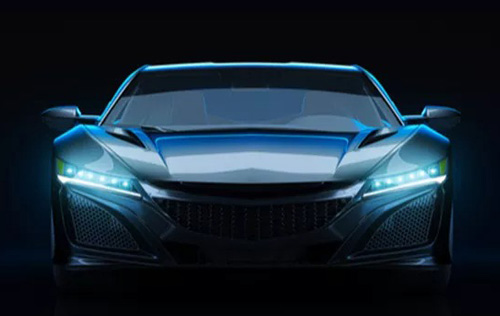
Automotive

Rapid prototyping and manufacturing solutions supporting automotive development, testing and production programs.


Applications can include mechanical components, structural parts and product development prototypes.
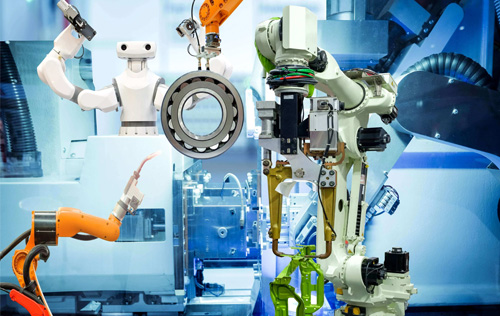
Automation

Custom components for automation equipment, industrial machinery, robotics and mechanical assemblies.


Precision machining and fabrication support development from engineering prototypes through production.

Medical

Manufacturing support for medical product development and precision components requiring controlled dimensions and reliable manufacturing quality.
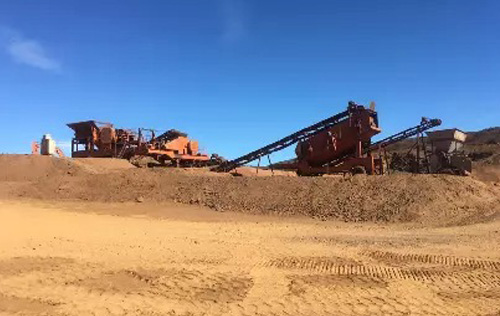
Energy

Custom manufactured components for energy equipment and industrial applications where material, dimensional and surface requirements are important.
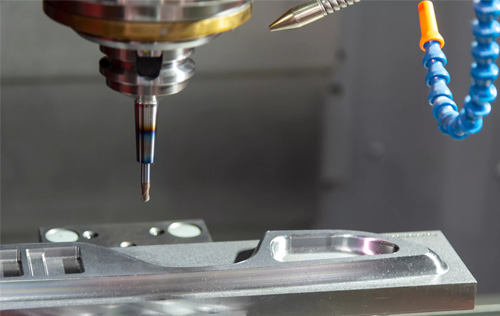
Semiconductor

Precision components for semiconductor equipment and engineering systems requiring demanding dimensional and surface requirements.

Prototype-to-Production Manufacturing FAQ

Q: What is prototype-to-production manufacturing?
Prototype-to-production manufacturing supports a product through multiple development stages, beginning with rapid prototypes and engineering validation before moving into low-volume manufacturing and production. Different manufacturing processes can be used as the product design, quantity and technical requirements change.
Q: Can Best Prototypes support both prototypes and production parts?
Yes. Best Prototypes provides rapid prototyping processes such as CNC machining, 3D printing, sheet metal fabrication and vacuum casting, together with production capabilities including injection molding, die casting and precision casting. The appropriate process depends on your design, material, quantity and project requirements.
Q: Which manufacturing process should I choose for my prototype?
The best process depends on your product requirements. CNC machining is often suitable for precise functional components and production-intent materials. 3D printing is useful for rapid design iteration. Sheet metal fabrication is suitable for enclosures and structural components, while vacuum casting can support small batches of molded-like plastic parts.

If you are unsure which process is suitable, submit your design and project requirements for manufacturing evaluation.

Q: Can I use the same manufacturing partner from prototype to production?
Yes. Working with one manufacturing partner across multiple stages can reduce the need to transfer engineering information between suppliers. Best Prototypes supports different processes for prototyping, engineering validation, low-volume manufacturing and production, depending on project requirements.
Q: Can one project use multiple manufacturing processes?
Yes. Many engineering products contain different types of components. One project may require CNC-machined parts, sheet metal components, molded parts and post-processing. The appropriate combination depends on the product design and production requirements.
h11

Need Help Choosing a Manufacturing Process?

Not sure whether CNC machining, 3D printing, vacuum casting, sheet metal, injection molding or another process is right for your project? Send us your design and requirements, and our team can help evaluate the available manufacturing options.

Bring Your Design to Life With the Right Manufacturing Solution

CONTACT US
© 2020 Best Prototypes Manufacturing (HK) Co., Limited All rights reserved.