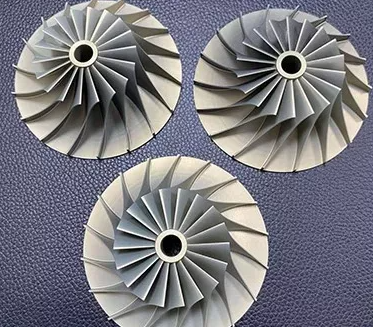
2026-10-29 The five most common precision CNC machining processes are CNC milling, CNC turning, CNC drilling, CNC grinding, and CNC EDM. Precision CNC machining uses computer-controlled tools to cut or shape material and keep exact measurements each time.
Read More 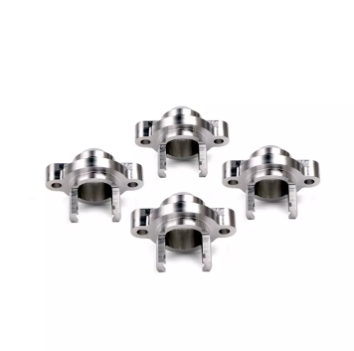
2026-10-29 Precision CNC machining for series production is a computer-controlled subtractive process that makes many identical parts with tight tolerances and high repeatability. This method is different from one-off or prototype CNC work because it focuses on volume, consistency, and strict process control.
Read More 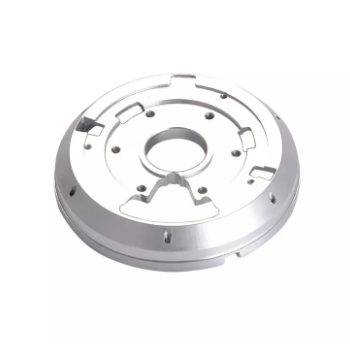
2026-10-28 A turbine blade must fit its engine within microns. A hip implant must match a patient's bone exactly. These everyday realities depend on precision CNC machining. What is CNC machining at this level? It is a subtractive process. Computer-controlled tools cut metal or plastic into a precise shape.
Read More 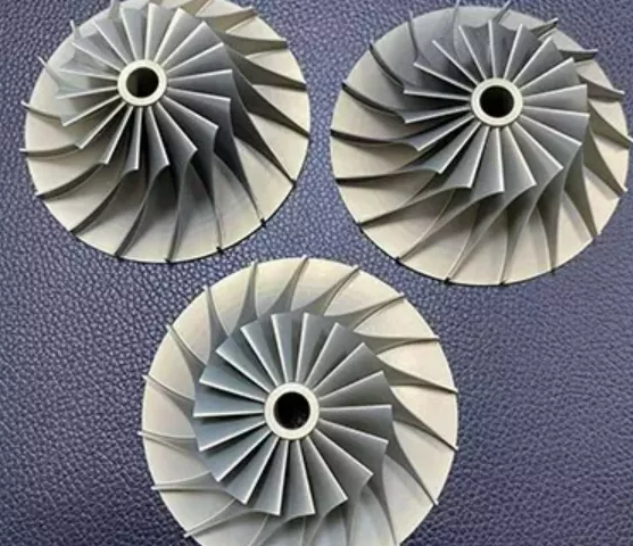
2026-10-10 What is the difference between CNC Machining and Precision Machining? Compare tolerance levels, machine capabilities, surface finishes, and production efficiency.
Read More 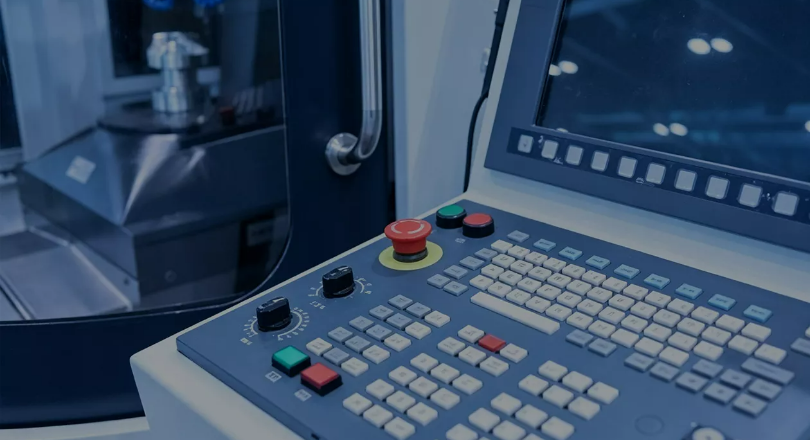
2026-10-10 Learn how precise CNC Machining can be, what affects dimensional accuracy, and how calibration, tool maintenance, CMM inspection, and automation improve part quality.
Read More 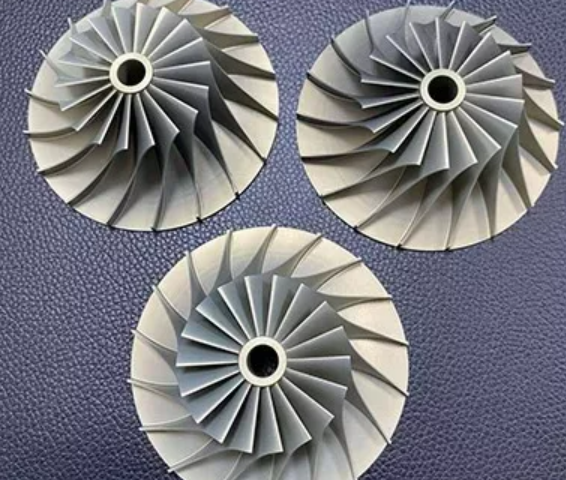
2026-10-10 Learn how CNC Precision Machining works, from CAD/CAM design to milling, turning, and finishing. Discover its benefits, material options, and industrial applications.
Read More 


